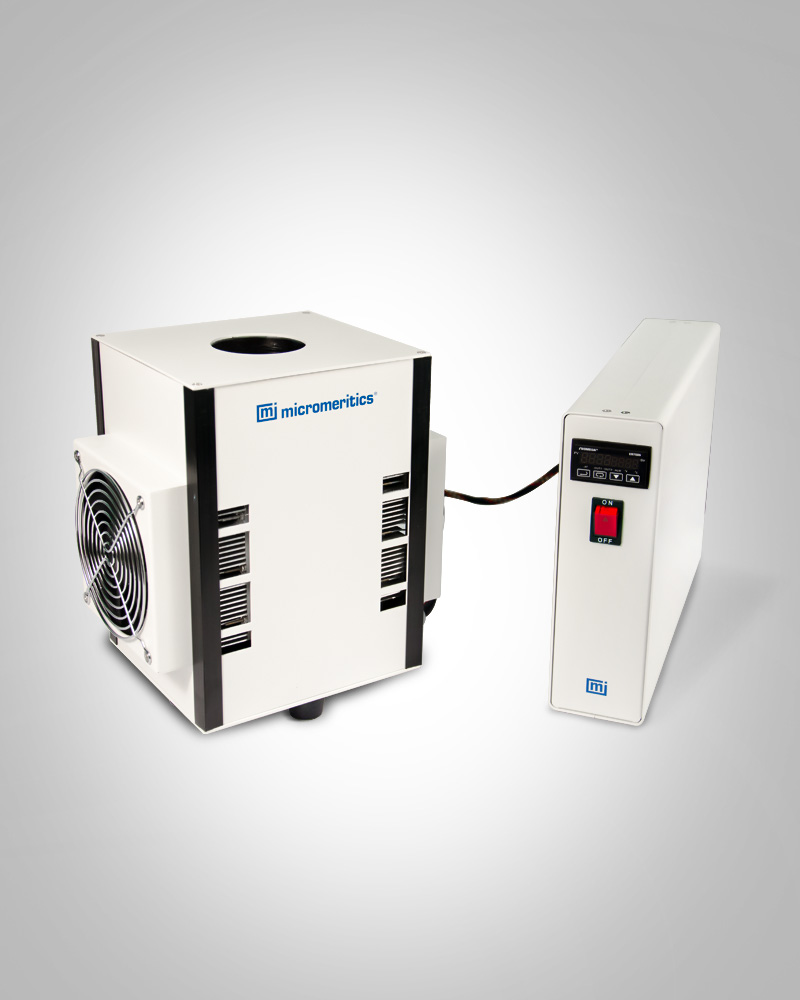
ISO-Controller
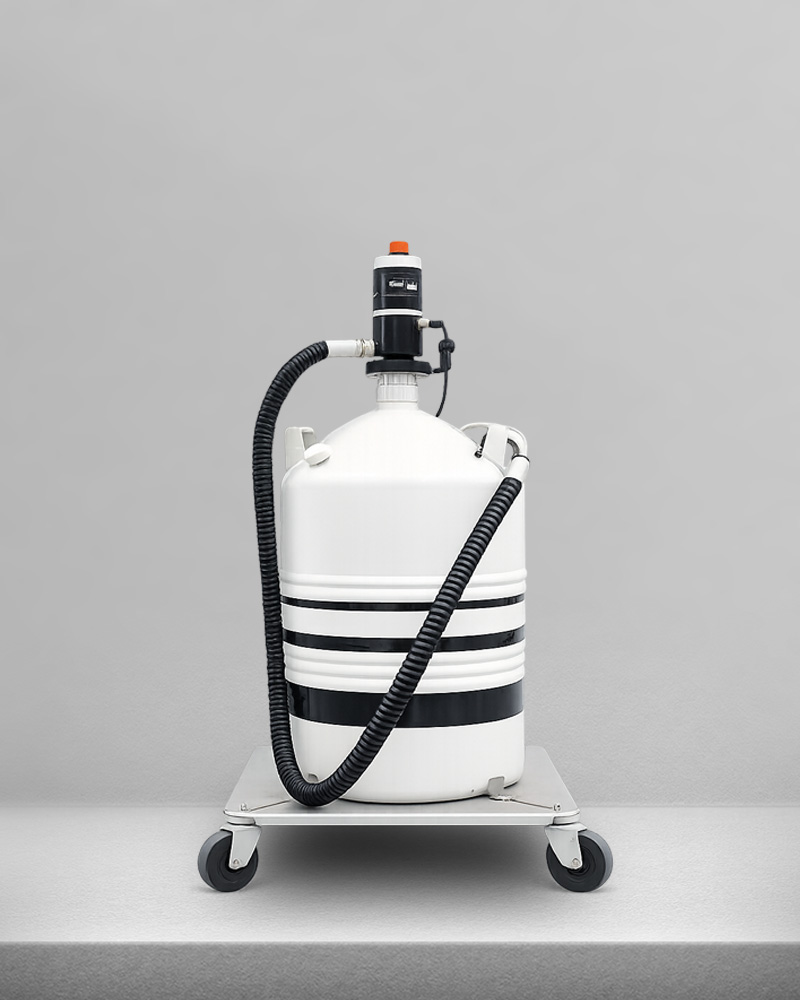
Sub-Ambient, thermoelektrisch gekühlter Dewar


The world’s most trusted high-throughput BET surface area platform.
Rapid, research‑grade BET surface area measurements in a fully automated, three‑station system. Experience true parallel operation for exceptional productivity.
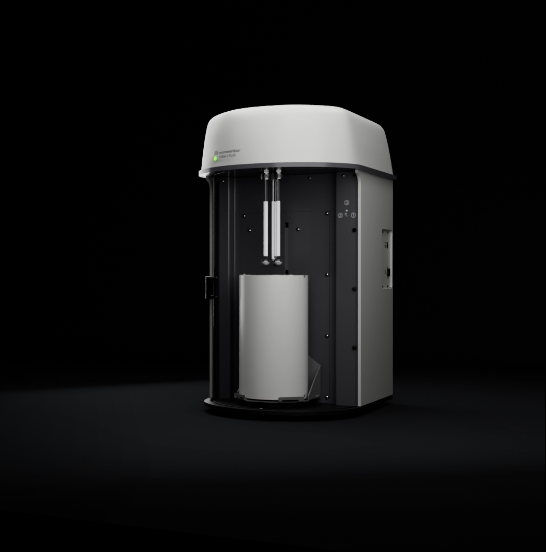
The TriStar II Plus 3030, a Micromeritics technology, is trusted by leading labs worldwide as a high-throughput BET surface area and porosity analyzer with research-grade accuracy and outstanding ease of use.
Using gas adsorption, TriStar II Plus measures the surface area and pore structure characteristics that influence material performance. With three independent analysis stations, automated workflows, and flexible data analysis, it helps R&D and QC labs generate reliable insights with the speed, consistency, and confidence needed for demanding applications.
Advanced analysis, made simple
High-throughput
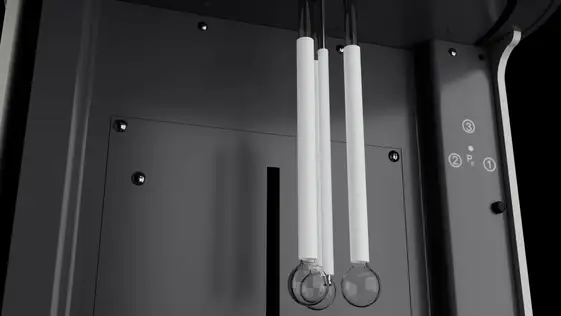
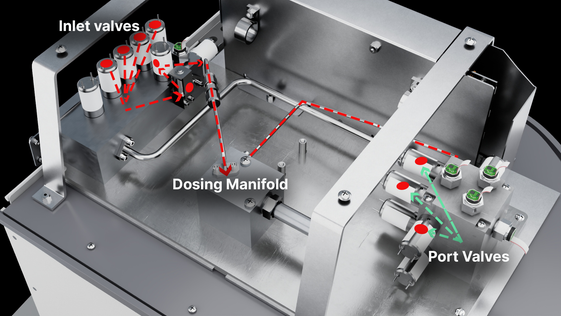
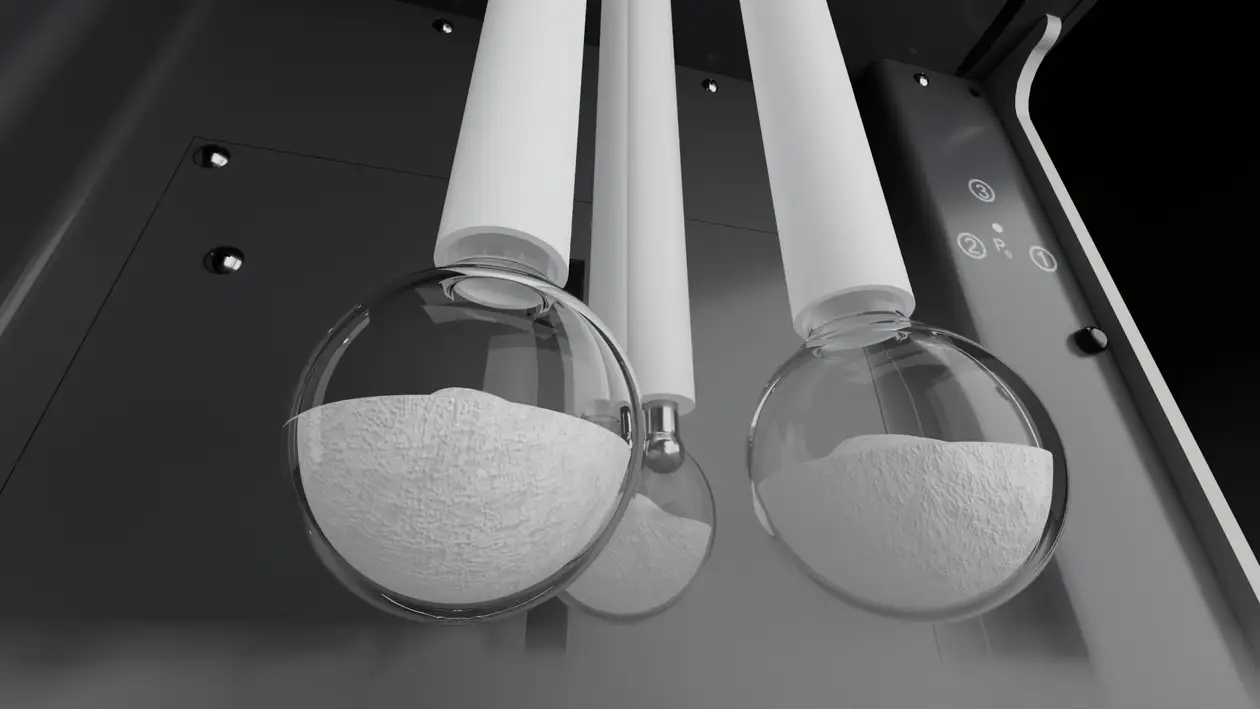
Three analysis ports with dedicated pressure transducers enable true parallel measurement, for high-throughput analysis that delivers results in <20 minutes. Plus, you can control up to four TriStar units from a single computer for increased productivity.
Watch how fast, precise, automated BET surface area measurements drive better decisions and higher throughput.
Productivity
Our 3 L cryogenic dewar supports consistent, uninterrupted analysis for up to 40 hours, with combined porosity and surface area analysis that delivers double the data from one measurement run.
TriStar II Plus supports reliable BET surface area analysis across a diverse range of industries and materials, helping operators achieve essential improvements to their processes. Find out more below.
Maximize energy storage capacity and generation efficiency with precise insights into electrode surface area and porosity.
More reliably predict and optimize hydrogen storage capacity by characterizing the surface area and pore structure of candidate materials, including nanotubes.
Knowledge of surface area, total pore volume, and pore size distribution is important for quality control of industrial adsorbents and in the development of separation processes. Surface area and porosity characteristics affect the selectivity of an adsorbent.
Quantify the total surface area and pore structure of your catalysts to optimize selectivity and maximize the desired product yield.
Precisely characterize surface area and porosity to ensure that activated carbons perform within the narrow ranges required for optimal vapor recovery, solvent capture, and wastewater pollution control.
Characterize the surface area and porosity that govern essential characteristics such as dissolution rate, bioavailability, blending uniformity, and shelf life across the processing and packaging stages.
Estimate fluid storage capacity and guide extraction planning in groundwater and petroleum exploration with better insights into formation porosity.
Measure pigment surface area to predict gloss, texture, color, and film adhesion properties, and evaluate coating porosity for better control of ink receptivity and blistering in offset printing.
Easily measure the specific surface area and pore structure of your materials to reveal how rough surfaces or internal porosity influence particle reactivity and sintering behavior.
| Absolut | Range: 0 to 950 mmHg |
| Relativ | P/P0 range: 0 to 1.0 P/P0 |
| Spezifische Oberfläche | Ab 0,01m2/g, Einheit Stickstoff |
| Gesamtfläche | Ab 0,1m2, Stickstoff-Einheit |
| Porenvolumen | Von 4 × 10⁻⁶ cm³/g |
| Dewar Dauer | bis zu 40 Stunden |
| Gasverbrauch | Bis zu 300 cm³ STP pro Anschluss |
| Einheit Stickstoff | Stickstoff; Argon, Kohlendioxid oder andere nicht korrosive Gase; Butan, Methan oder andere leichte Kohlenwasserstoffdämpfe. Auch Sauerstoff kann nur mit einer geeigneten Vakuumpumpe verwendet werden. |
| Krypton-Einheit | Wie Stickstoffgerät, plus die Möglichkeit, Krypton-Oberflächenanalysen bei niedrigeren Drücken durchzuführen |
| Genauigkeit | ±0.25 °C |
| Auflösung | Innerhalb von 0,1 °C |
| Einheit Stickstoff | Muss 20 × 10-3 mmHg oder besser sein; verwendet ölbasierte oder ölfreie Vakuumpumpe |
| Krypton-Einheit | Muss für 1 × 10⁻³ mmHg geeignet sein; ölfreie Vakuumpumpe erforderlich |
| Temperatur | 10 bis 35 °C (50 bis 95 °F), in Betrieb |
| Luftfeuchtigkeit | 20 bis 80% relativ, nicht kondensierend |
| Verwendung im Innen- oder Außenbereich | Nur in Innenräumen |
| Höhe | 74 cm (29 in.) |
| Breite | 40 cm (16 in.) |
| Tiefe | 51 cm (20 in.) |
| Gewicht | 37 kg (82 lbs) |
| Spannung | 100-240V~ |
| Strom | 150VA, maximal |
| Frequenz | 50/60Hz |
| Überspannungskategorie | II |
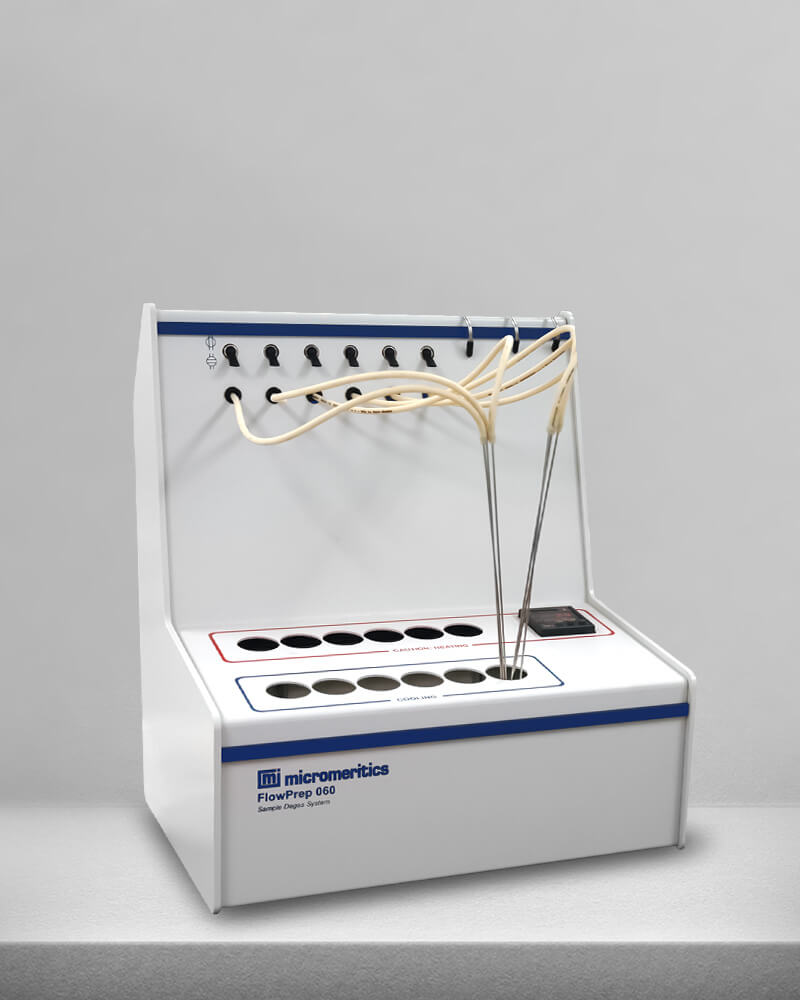
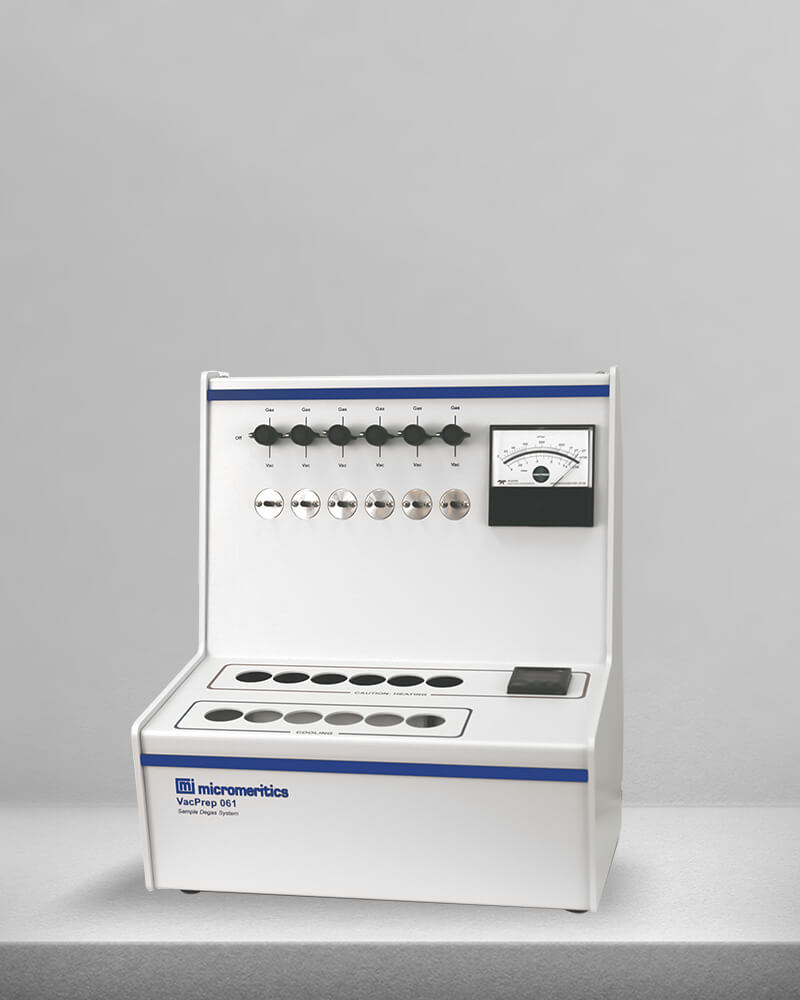
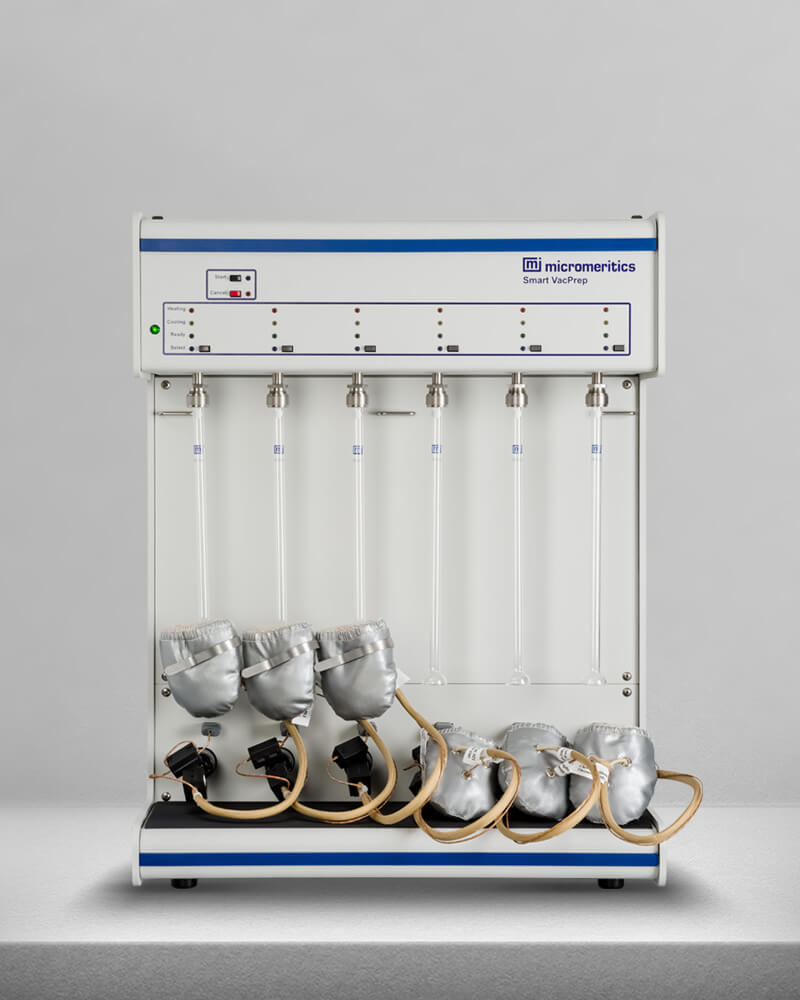
Sample preparation and temperature control
External sample preparation is recommended to provide optimal throughput and measurement quality.
With up to six sample preparation stations, multiple samples can be degassed simultaneously, increasing throughput and reducing preparation bottlenecks.
The main difference between the BET and Langmuir surface area models is that Langmuir focuses on monolayer adsorption (one layer of molecules), while BET accounts for multilayer adsorption (multiple layers of molecules building on top of one another).
A Brunauer-Emmett-Teller (BET) surface analyzer utilizes the gas adsorption technique which measures the physical adsorption of gas molecules (adsorptive) on a solid/porous surface. This is a non-destructive technique.
Instead of using mercury, the TriStar uses gas adsorption to measure porosity and pore size distribution. Because of the different techniques, different pore diameter ranges are measured, with some overlap. Mercury intrusion porosimetry measures pore diameters from 3 nm in diameter up to 500 µm and beyond. Gas adsorption can measure pores 300 nm in diameter and below.
Porosity testing involves finding the total volume of empty space within a material, whereas pore size refers to the dimensions of those individual empty spaces or channels. Porosity dictates how much fluid a material can store, while pore size determines how easily fluid can flow through it or how effectively it can filter particles.
Please see our Porosimetry page to learn more about how the TriStar analyzer compares to our other instruments.
Nitrogen, argon, carbon dioxide, butane, methane, other light hydrocarbons, and other non-corrosive gases.
Oxygen can be used with an appropriate vacuum pump.
Yes, the Confirm version of TriStar software supports 21 CFR part 11 regulated environments and IQ/OQ is available during installation upon request.
Fordern Sie ein Angebot an oder sprechen Sie mit einem Experten für weitere Informationen