Buscar en

Distribución del tamaño de los poros

Optimize materials with detailed pore size distribution analyses

What is pore size and pore size distribution?

Pore size refers to the diameter of the void spaces within a material. These pores can range from nanometers to micrometers and are a critical to the performance of materials like membranes, catalysts, adsorbents, ceramics, and battery components.

Pore size distribution describes the range and volume filled through different pore sizes within a material. It provides a comprehensive profile showing how many pores fall into specific size ranges.

Both pore size and distribution are key parameters that influence how a material behaves in real-world applications. Accurate measurement and control enable better material design, consistent performance, and improved process outcomes.

Aplicaciones

smaller pores increase surface area, boosting reaction sites and thus rates and capture efficiency, but can also slow analyses by limiting diffusion; therefore, there are optimal sizes for catalysts

structural integrity is influenced by the size and distribution of pores

selectivity and flow rate are impacted by the pore structure

pore networks govern the movement of ions and gases, affecting charge/discharge rates and energy efficiency

pore size and surface area impact drug delivery, API loading capacity, and product stability

How to calculate pore size distribution

Several techniques are used to measure pore size distribution. In many cases, combining techniques gives the most complete picture of pore size distribution and material behavior.

Gas adsorption measures the amount of gas adsorbed at different relative pressures; models such as Barrett-Joyner-Halenda (BJH) and Density Functional Theory (DFT) are used to derive pore size distribution.

  • Typical Pore Range: 0.3 – 50 nm (micropores to mesopores)
  • Best for: high surface area powders, Metal-Organic Frameworks (MOFs), Covalent organic frameworks (COFs), zeolites, activated carbons

In mercury intrusion porosimetry, mercury is forced into the pore under pressure; the Washburn equation is used to infer pore size based on the volume intruded at each pressure.

  • Typical Pore Range: 3 – 1000 µm (mesopores to macropores)
  • Best for: broad distributions including large pores, rigid solids (ceramics, catalysts, tablets)
Capillary flow porometry measures the pressure needed to displace a wetting liquid from through-pores; it differentiates between the smallest and largest flow paths.

  • Typical Pore Range: 0.02 – 500 µm (through-pores)
  • Best for: membranes, separators, filters

Imaging techniques such as X-ray Diffraction (XRD), Scanning Electron Microscopy (SEM) and Transmission Electron Microscopy (TEM) provide direct visualization of 2D or 3D pore structures.

  • Typical Pore Range: resolution-dependent
  • Best for: supplementing quantitative methods

Liquid-liquid porometry measures the pressure needed for one liquid to displace another liquid from pores.

  • Typical Pore Range: 20 nm – 1 µm
  • Best for: hydrophilic or hydrophobic membranes

Nuestras soluciones

Instrumentos

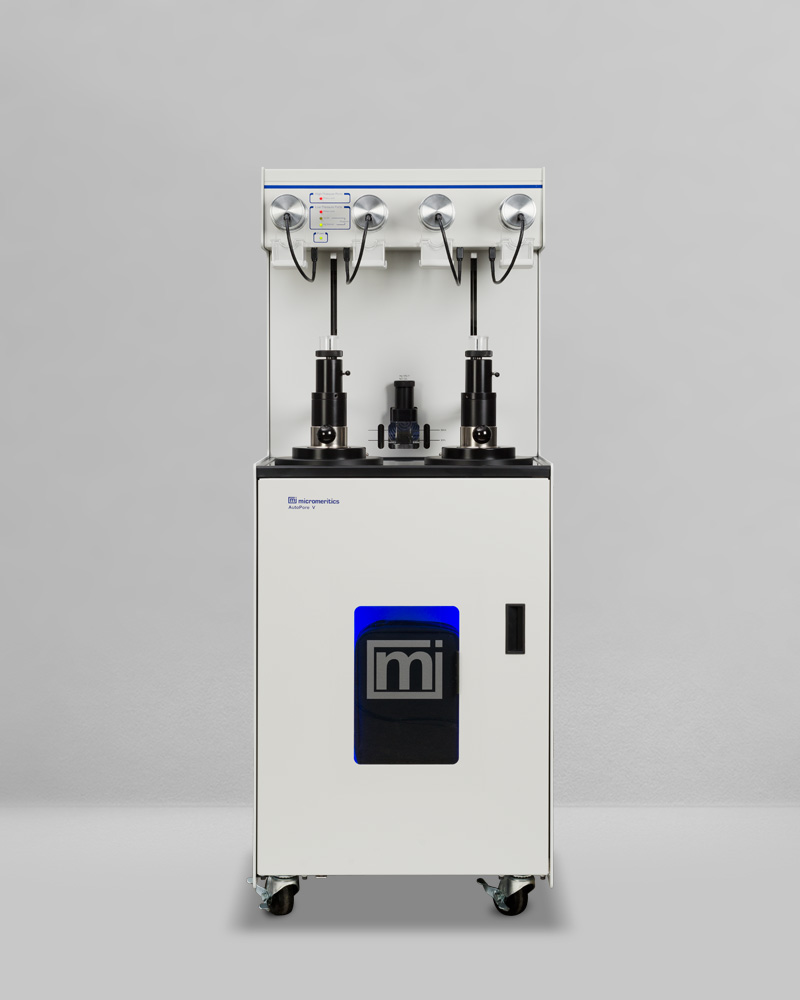
AutoPore V

Density and porosimetry analysis for mesoporous and macroporous materials

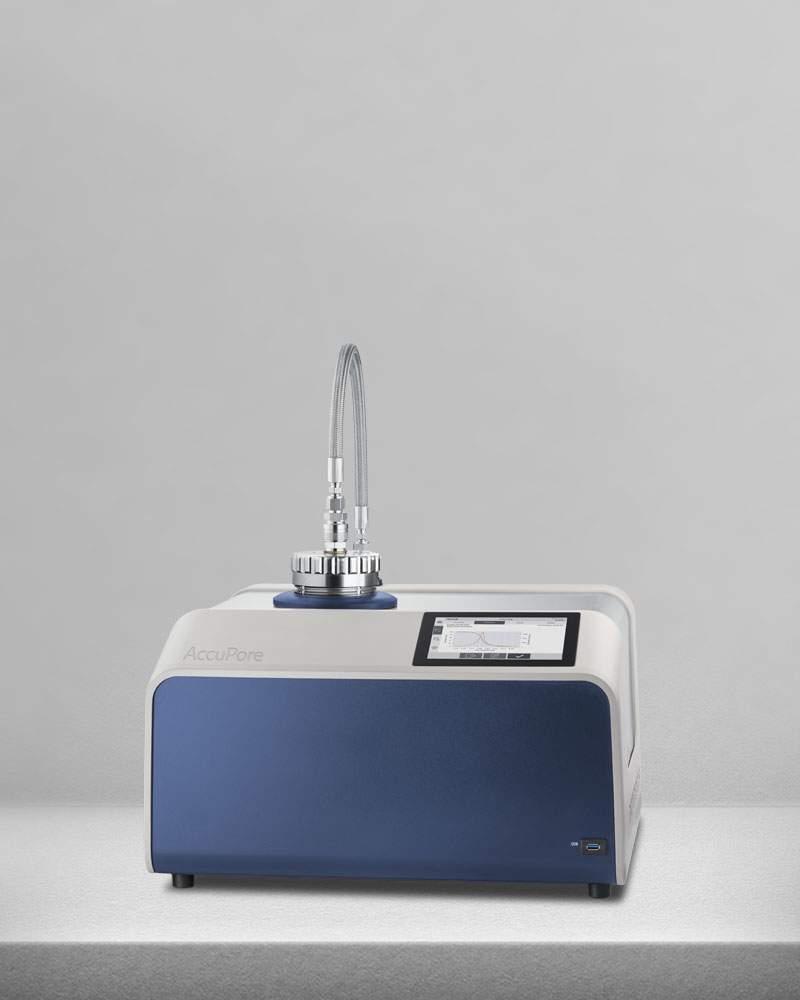
AccuPore

The easiest, most accurate and versatile measurement of through-porosity

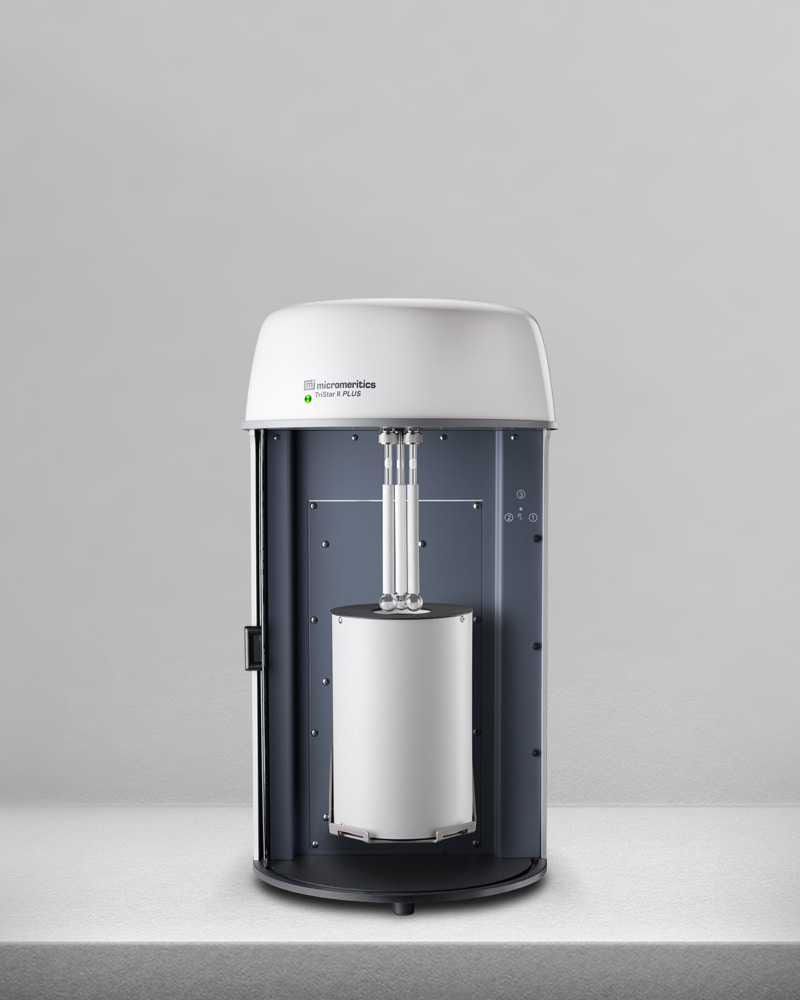
TriStar II Plus

High throughput BET surface area analyzer

ASAP 2020 Plus

Accelerated surface area and porosity

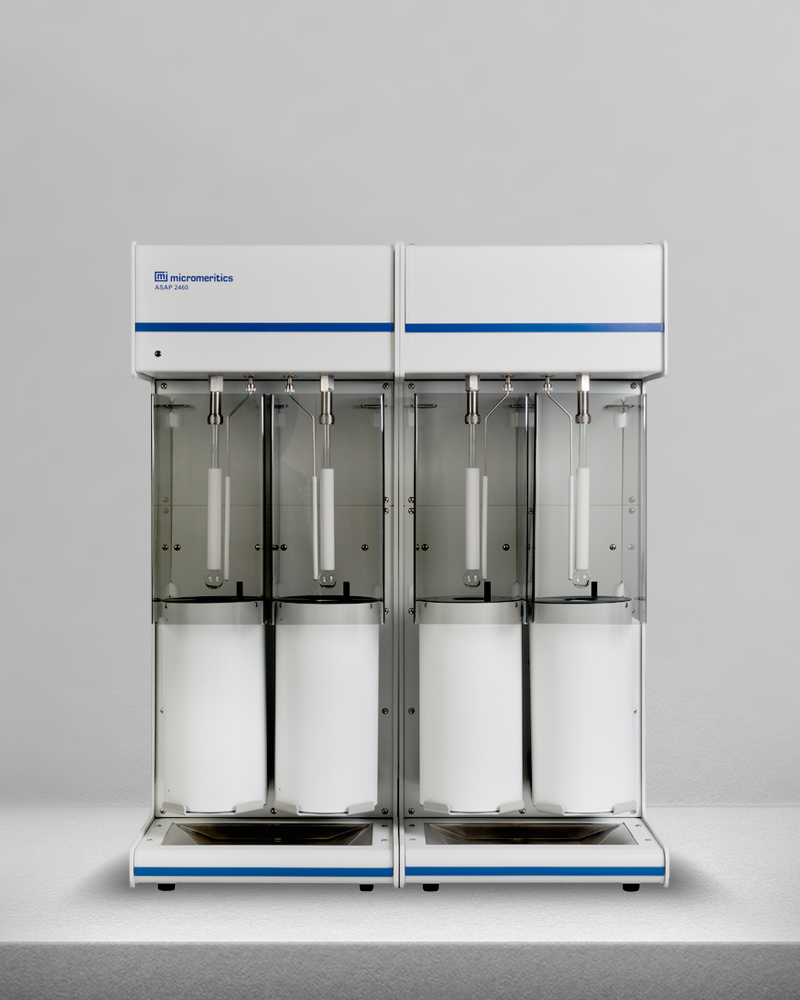
ASAP 2460 & 2425

Surface area and porosimetry system

  • Seis puertos de análisis independientes
  • Dewars de larga duración yIsothermal Jackets Micromeritics
  • The high-capacity Dewa

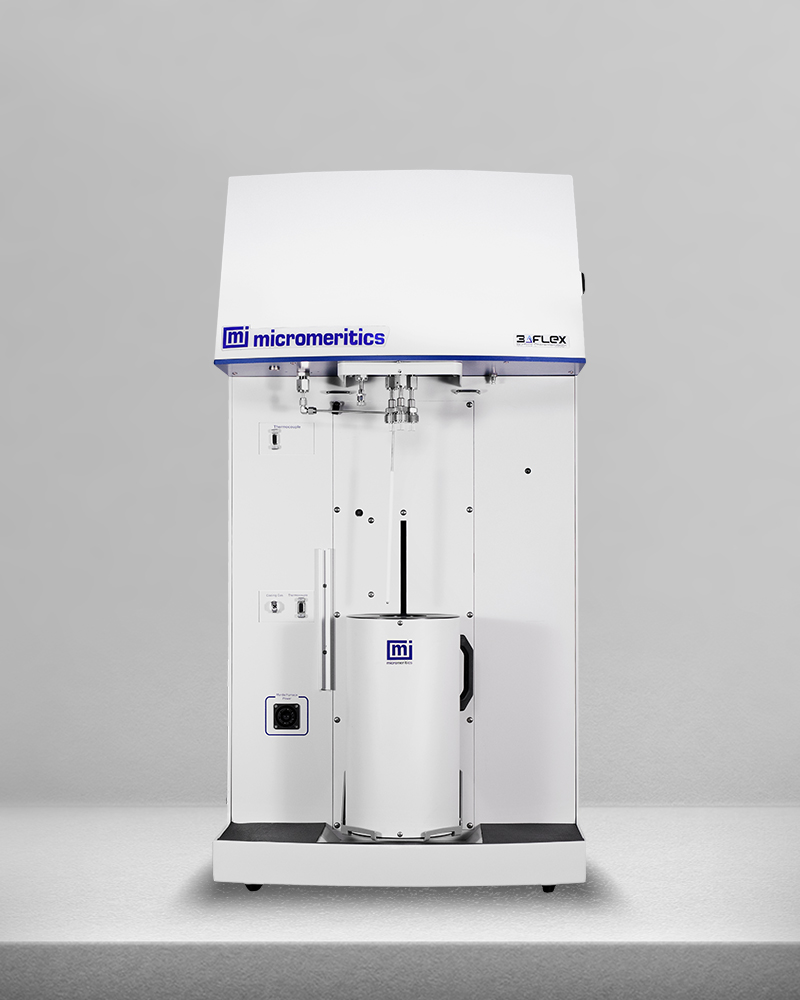
3Flex

High performance gas adsorption

The Micromeritics 3Flex offers porosity, chemisorption, surface area and temperature-programmed methods.

Gemini

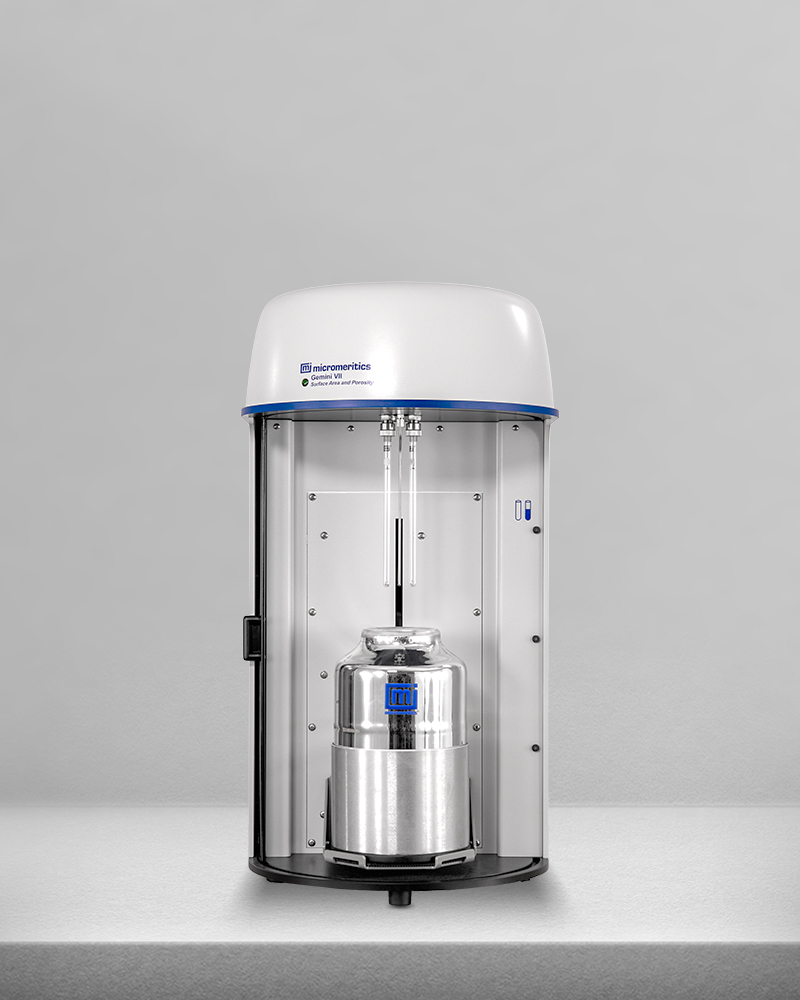
Rapid and precise surface area analysis

  • Diseño exclusivo de medición diferencial de tubo de equilibrio
  • Elimina los errores de espacio libre
  • Mide con precisión las superficies más bajas con nitrógeno; no requiere kriptón
  • Fastest available dosing for the shortest total measurement time

¿Necesita ayuda?

Póngase en contacto con nuestro equipo de especialistas