
Characterization of Medicinal Tablet Surface Area with the Gemini Series
Gas adsorption surface area values can predict the reaction rate of compounds such as medicinal products in tablet or powder form. The dissolution rates of these products are directly related to the magnitude of their surface areas. Tablets and powders generally have low gas adsorption surface area values. The Materials Analysis Lab (MAL) at Micromeritics […]
Sample Preparation for Breakthrough Analysis
Introduction Breakthrough analysis is a powerful technique for determining the adsorption capacity of adsorbent materials under flow conditions. Breakthrough analysis allows users to more closely mimic process conditions than what can be achieved through static adsorption measurements. Additionally, it allows for easy multicomponent measurements when utilizing a mass spectrometer to determine the outlet species from […]
Improved BJH Pore Size Distribution Using the Maximum Volume Increment Option
Pore size distribution is usually determined by gas adsorption techniques from the gas adsorption isotherm. For samples with 2 to 50-nm pore structure, BJH is the most commonly used method for calculating pore size distribution. In order to get good results, sufficient isotherm sorption points are needed. However, the adsorbed volume at a certain relative […]
Degas Options for Sample Preparation
Introduction A degas study was conducted to determine the effectiveness of flow versus vacuum degas. An amorphous silica-alumina and a microporous zeolite were prepared by both techniques and then nitrogen isotherms were collected for both materials. The resulting isotherms established equivalence between vacuum versus flow degas. Theory Typical degas options include vacuum or flowing degas. […]
Using the ASAP 2020 for Determining the Hydrogen Adsorption Capacity of Powders and Porous Materials
Fuel cells were first conceived in 1838 by Swiss scientist Christian Schönbein; the first fuel cell was developed by Welsh scientist Sir Willian Grove in 1843. The first practical applications of fuel cells came in the 1960s for the U. S. space program. Both energy and water could be generated from two widely available fuels […]
Micropore Analysis of Zeolites Using the ASAP 2420
Introduction Six zeolite samples were analyzed simultaneously using the ASAP 2420 equipped with the Micropore option. This option enables you to perform micropore analyses on all six ports at the same time, comparable to the High Throughput mode. These analyses were performed using argon as the adsorptive at 87K. Typical micropore analyses using nitrogen may […]
Ethane-Ethylene Separation Using Zeolite Molecular Sieves
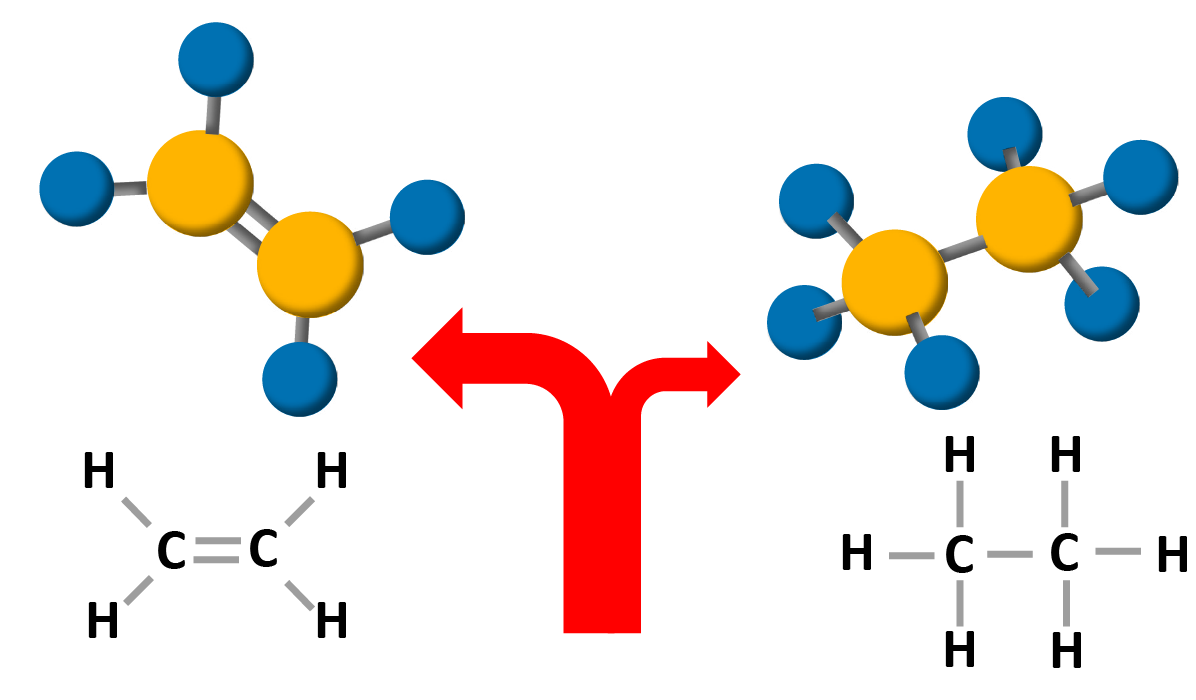
Introduction Separation processes are a critical component of the chemical industry. Olefin/Paraffin separations are one of the most industrially relevant separations for the production of plastics. Globally, 150 million metric tons of ethylene and 130 million metric tons of propylene are produced each year. Pressure swing adsorption, membrane separations, and cryogenic distillation are three methods […]
Characterizing Advanced Battery Anodes with Gas Adsorption BET Surface Area and DFT Surface Energy
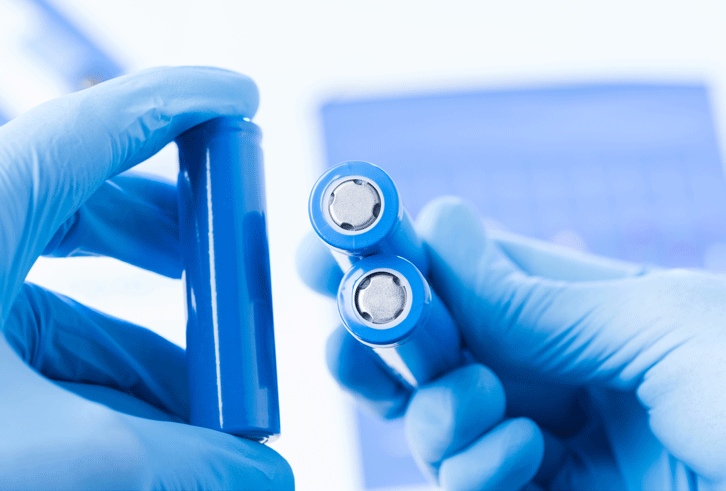
Lithium-ion (Li-ion) batteries are an advanced technology that will play a key role in the energy transition to renewable and sustainable solutions. High energy-density, long cycle-life, and improvements in safety have driven their adoption. Applications in automotive, grid energy storage, and consumer electronics will continue to drive their growth in the coming years. The anode […]
Optimize Free-Space Correction for Low Surface Area Samples Using the Gemini Analyzer
The unique balanced measurement method used in the Gemini permits small amounts of surface area to be measured with nitrogen gas that otherwise would be measurable only with krypton. Low surface area samples often displace many times more nitrogen than they adsorb, especially if composed of low-density materials of large particle size. The standard, built-in, […]
Multicomponent Breakthrough Adsorption Water/Ethanol Competitive Adsorption on a Zeolite
Introduction Breakthrough adsorption offers many advantages over static adsorption measurements. Multicomponent breakthrough measurements are performed by flowing multiple gas or vapor streams. A mass spectrometer measures the outlet concentration of the breakthrough column. The data is then assessed to determine the adsorption and separation performance of a material. Multicomponent measurements can be analyzed using a […]